
Laboratory
Laboratory Missions &
Launches 2025 Annual
Report Orbital Edge
Accelerator Upward International Space
Station Quiz
Laboratory Missions &
Launches 2025 Annual
Report Orbital Edge
Accelerator Upward International Space
Station Quiz
Laboratory Missions &
Launches 2025 Annual
Report Orbital Edge
Accelerator Upward International Space
Station Quiz
Laboratory Missions &
Launches 2025 Annual
Report Orbital Edge
Accelerator Upward International Space
Station Quiz
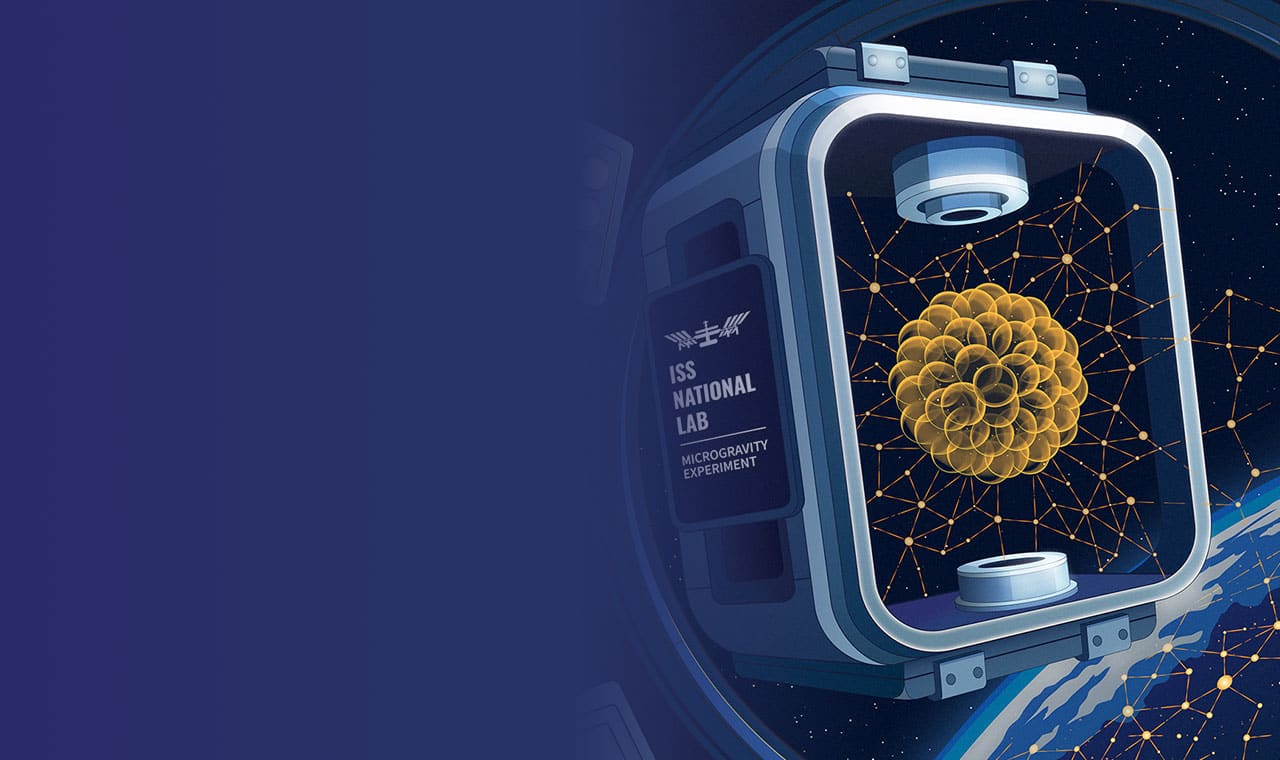
a Window into the Brain
Laboratory Missions &
Launches 2025 Annual
Report Orbital Edge
Accelerator Upward International Space
Station Quiz
Station Quiz
Laboratory Missions &
Launches 2025 Annual
Report Orbital Edge
Accelerator Upward International Space
Station Quiz


News & Updates


This content isn't available right now
When this happens, it's usually because the owner only shared it with a small group of people, changed who can see it or it's been deleted.
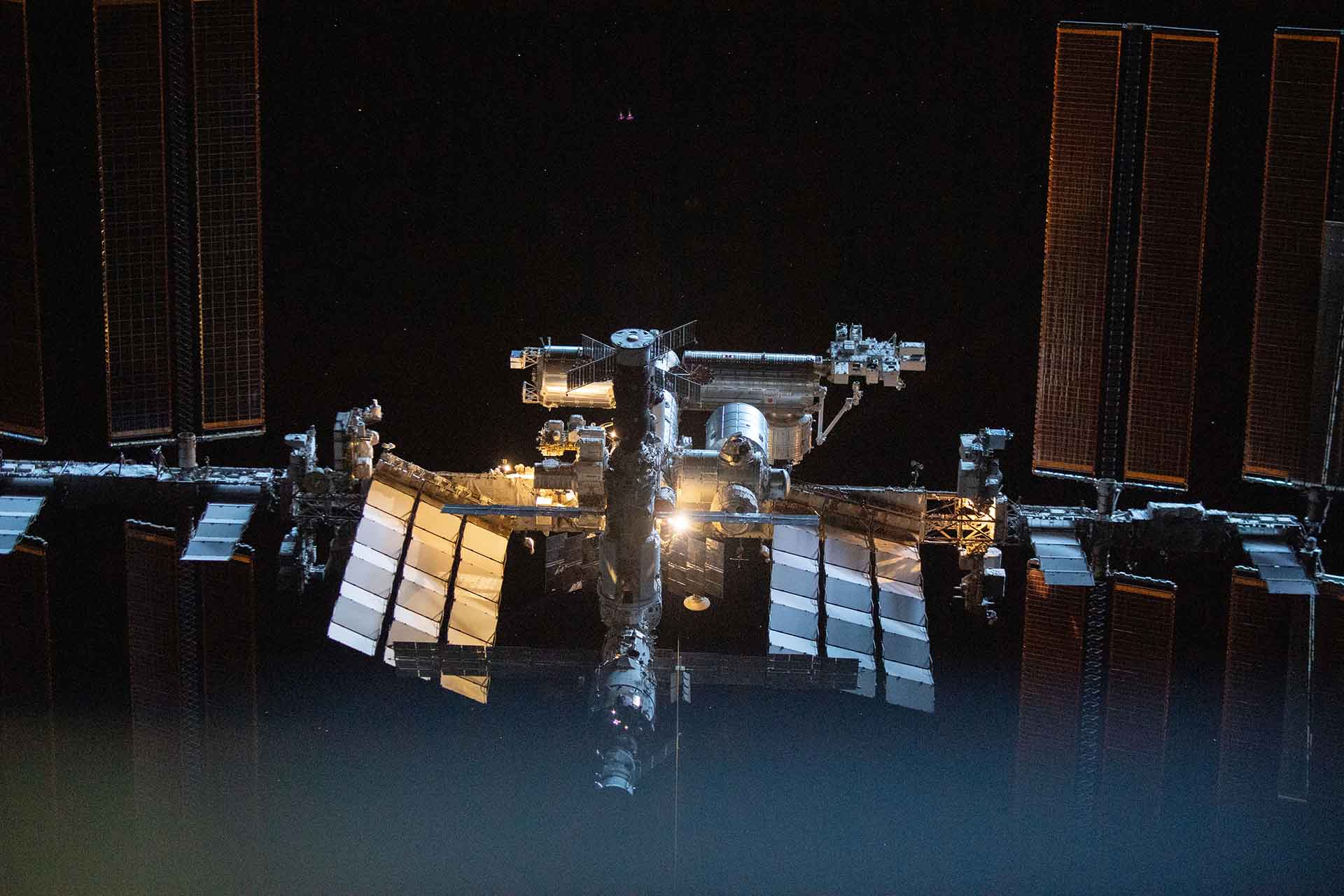
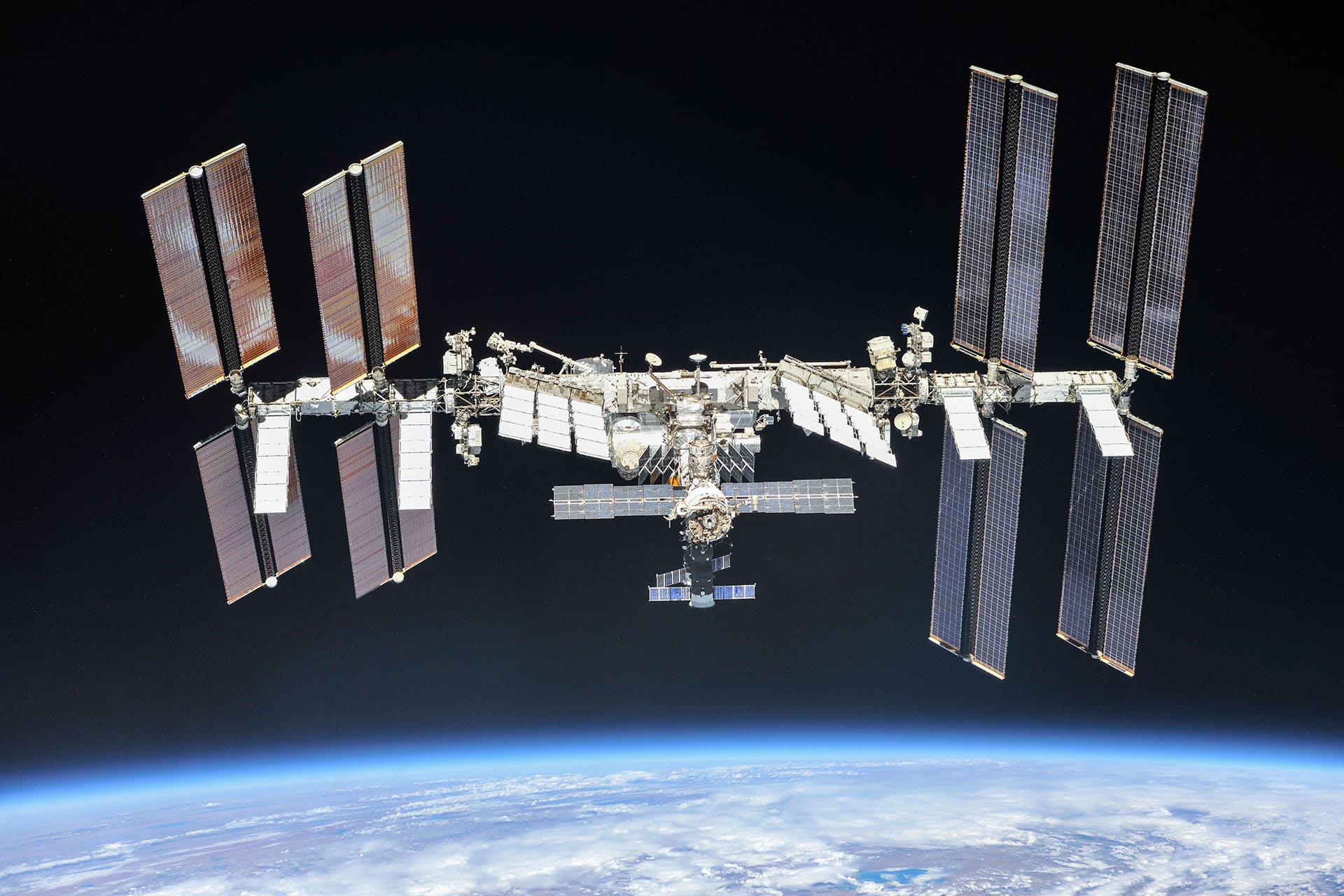
The International Space Station (ISS) National Laboratory
Solving some of the world’s most pressing challenges through space-based research.
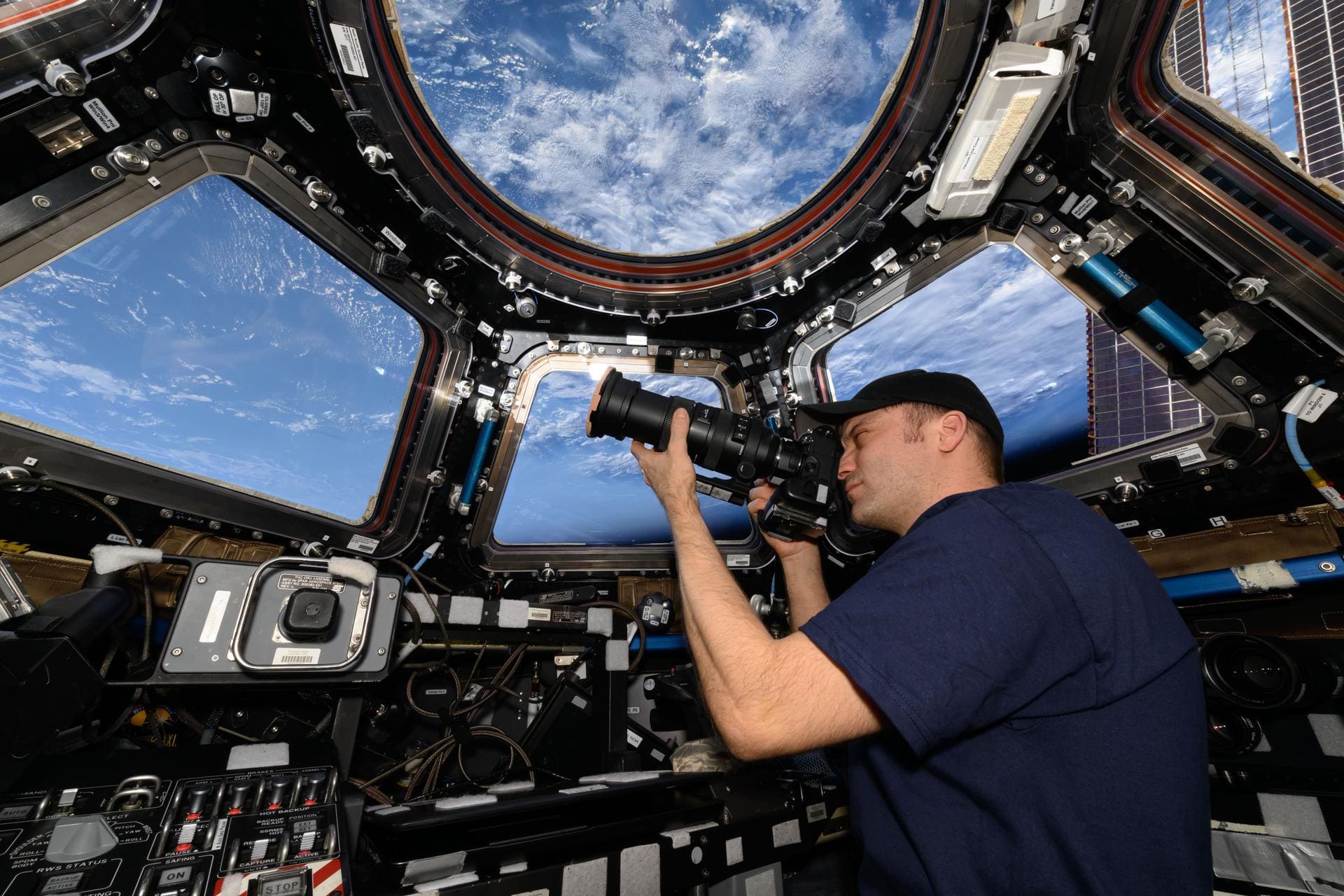
Where? In space.
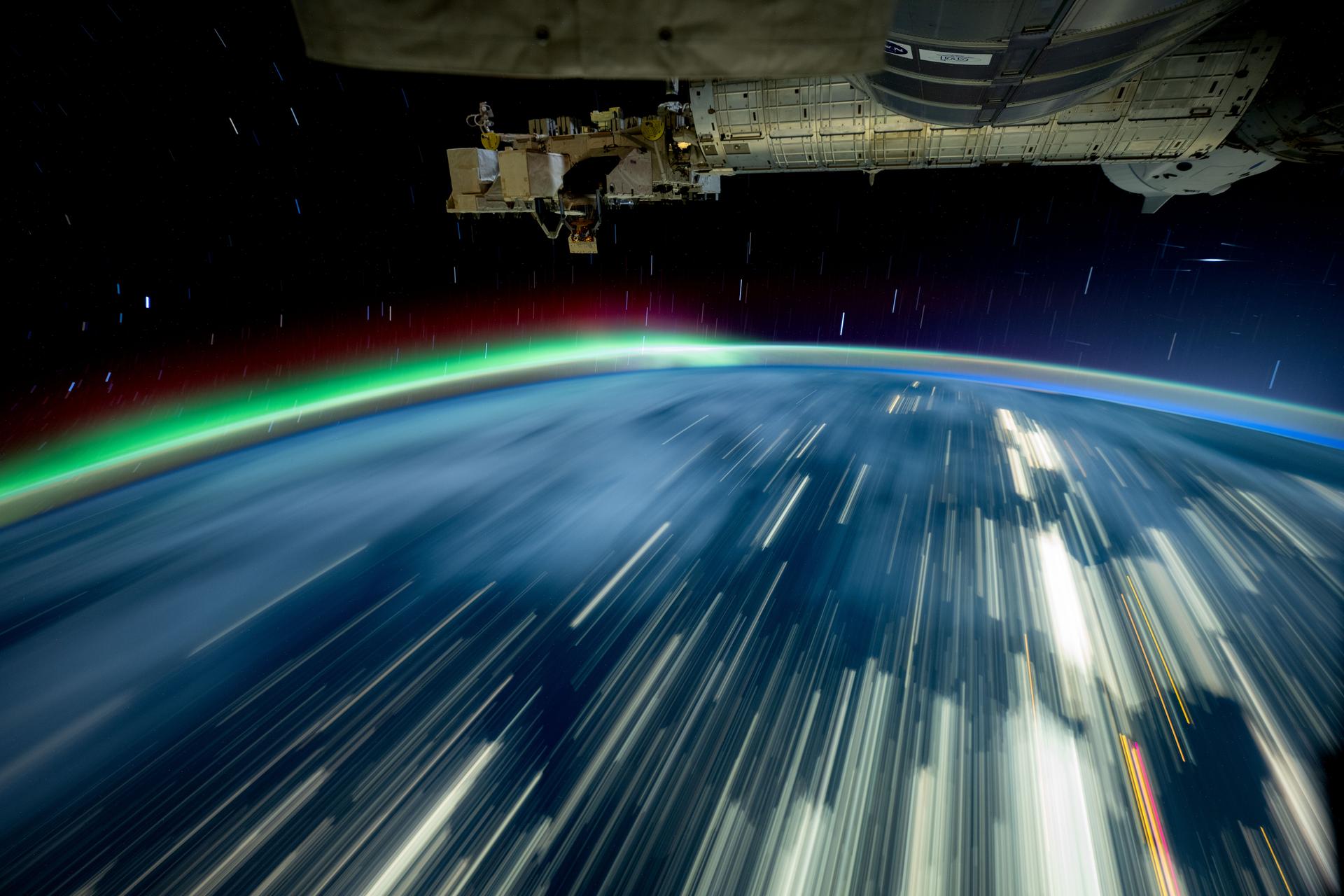
Low Earth orbit(Abbreviation: LEO) The orbit around the Earth that extends up to an altitude of 2,000 km (1,200 miles) from Earth’s surface. The International Space Station’s orbit is in LEO, at an altitude of approximately 250 miles. (LEO), approximately 250 miles above the Earth.
Research in Space Benefits Humanity



EXPLORE RESULTS FROM RESEARCH CONDUCTED IN SPACE
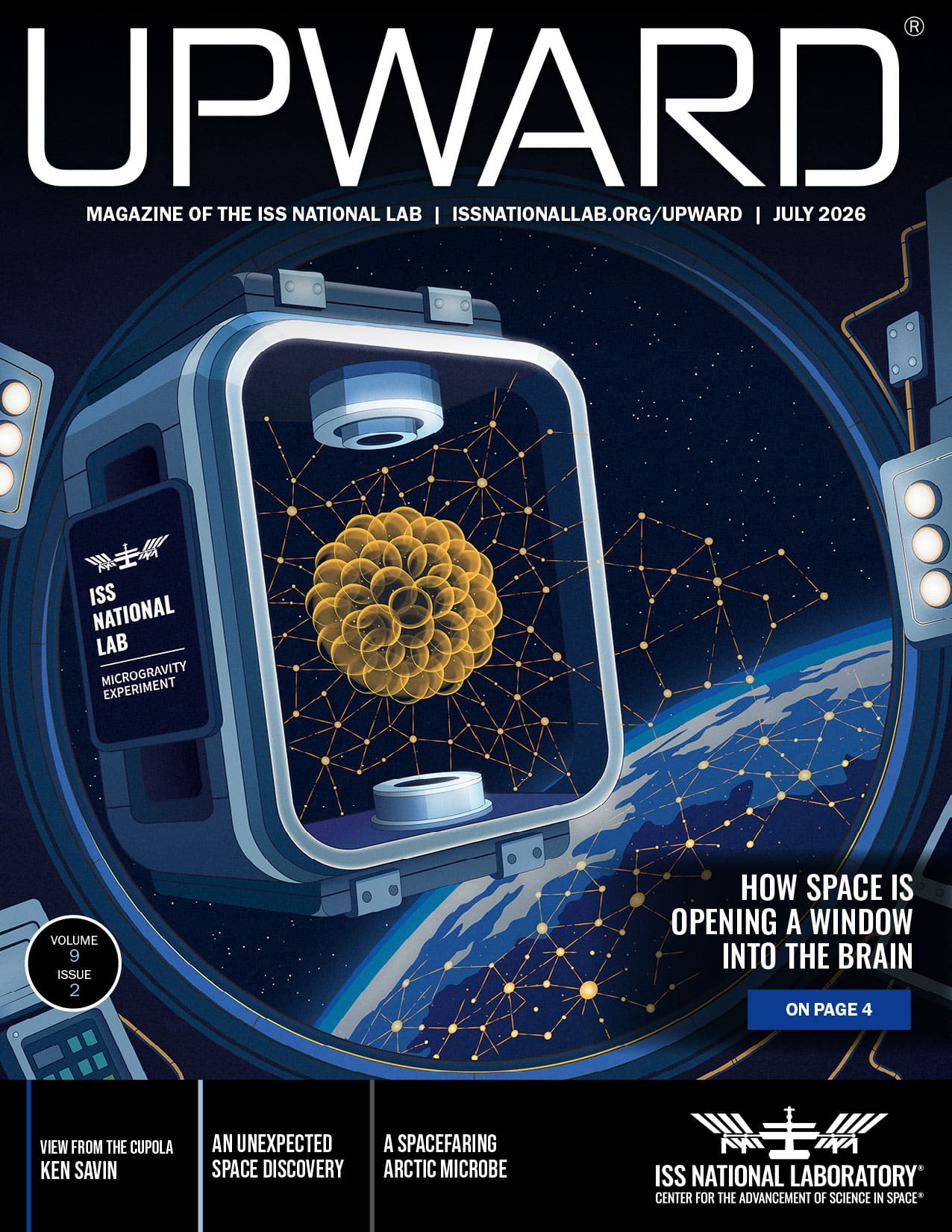
Upward Volume 9, Issue 2 Available Now
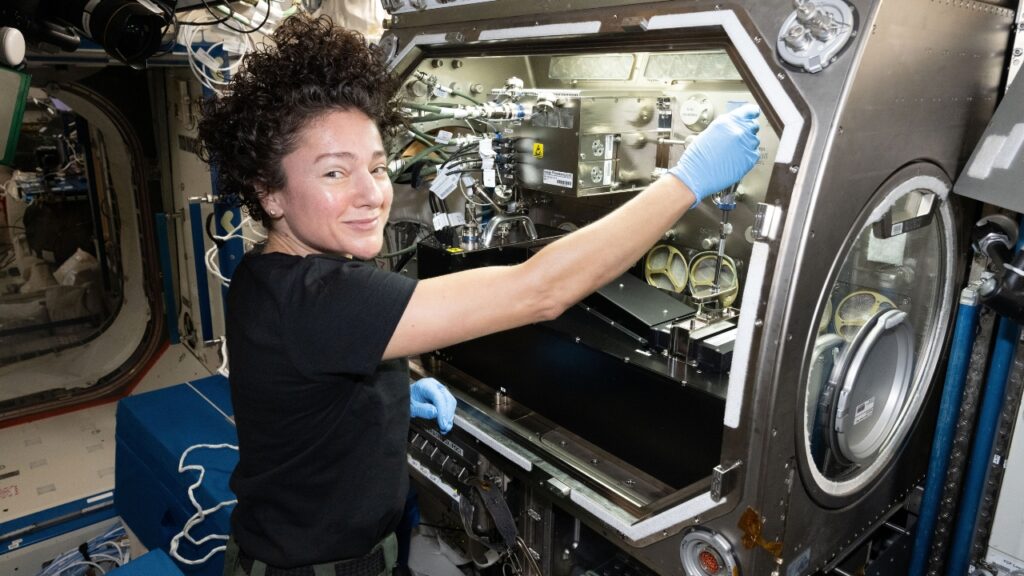
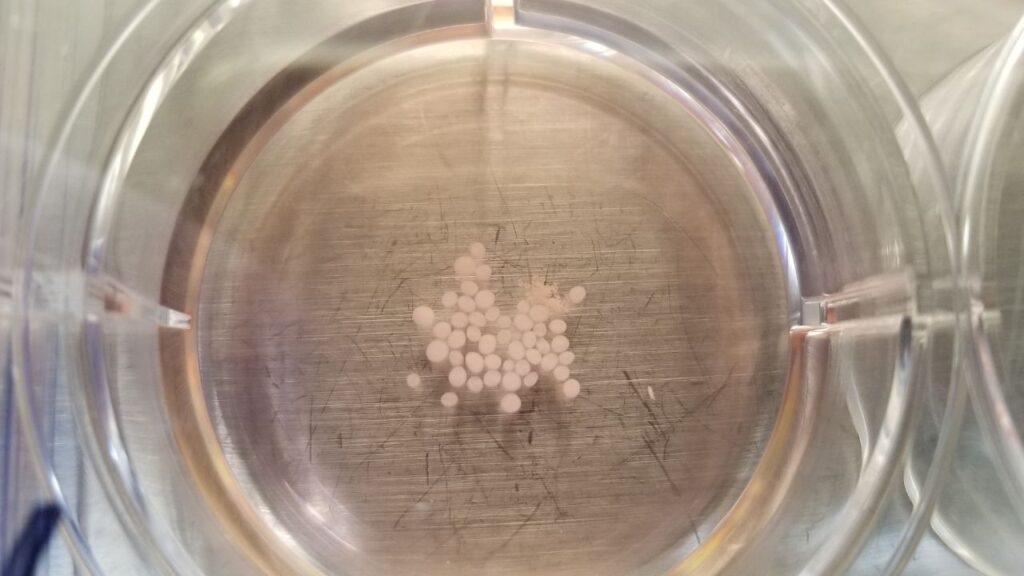
In this issue’s cover story, discover how brain organoids on the ISS are helping researchers study aging, neurodegeneration, and disease-relevant changes linked to Alzheimer’s, Parkinson’s, and Rett syndrome. Other features discuss how unexpected findings from Sanofi’s space research could help improve vaccines and how a new holographic microscope could one day help scientists find life on distant worlds.

looking for a research opportunity?
National Lab research announcements (NLRAs) seek proposals that advance R&D in key areas with demonstrated potential to develop into sustainable markets and benefit humanity.

ready to EXPLOre?

For researchers, partners, and the science community
Researchers &
Partners
arrow

For K-12, undergraduate, and graduate students as well as educators
Students &
Educators
arrow

For people who are interested in or just love space
Space Novices &
Enthusiasts
arrow

For individuals seeking investment opportunities or a financial perspective
Investors
.
arrow